Where to Place QR Codes: A Complete Guide for Sales Growth in HoReCa
Simply generating a QR code is only half the battle. For your Platoo digital menu to work at 100%, guests must see it at the right moment and be able to scan it effortlessly.
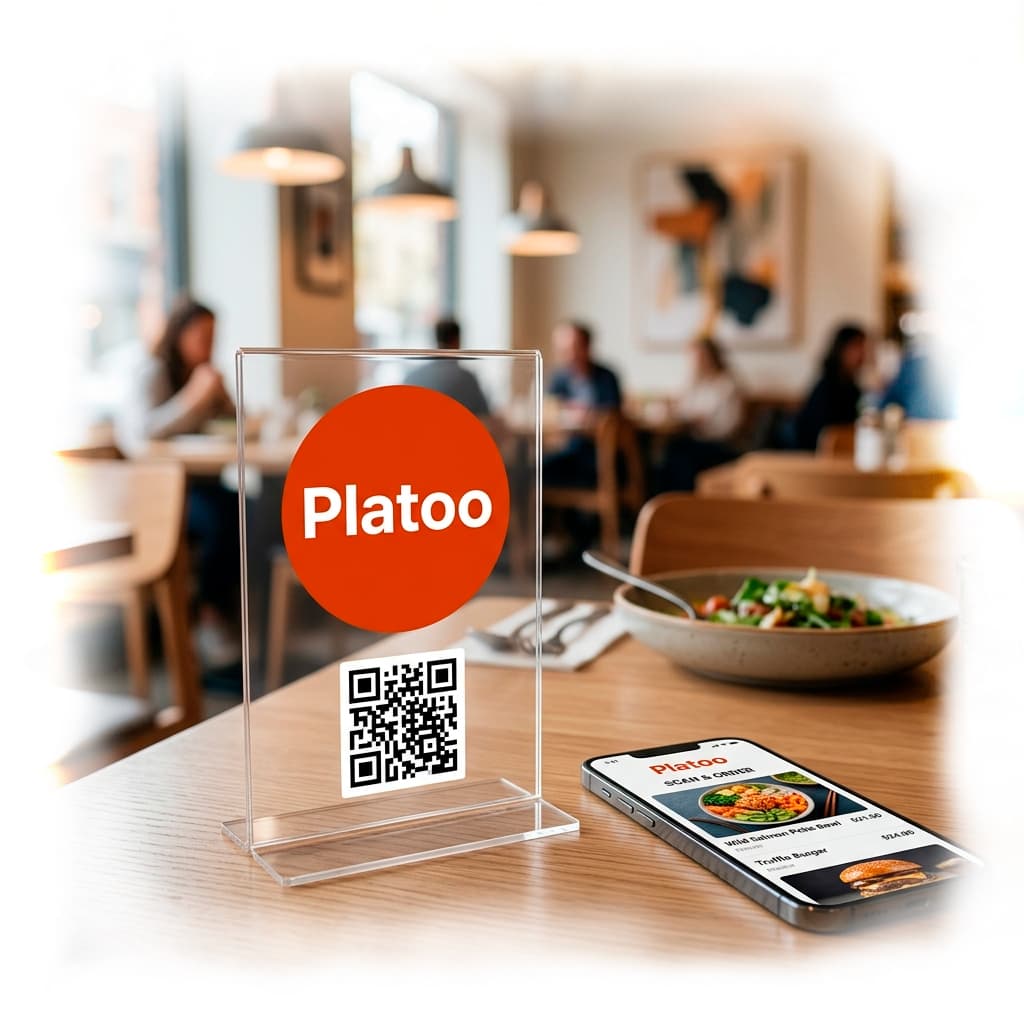
Table and Service Area
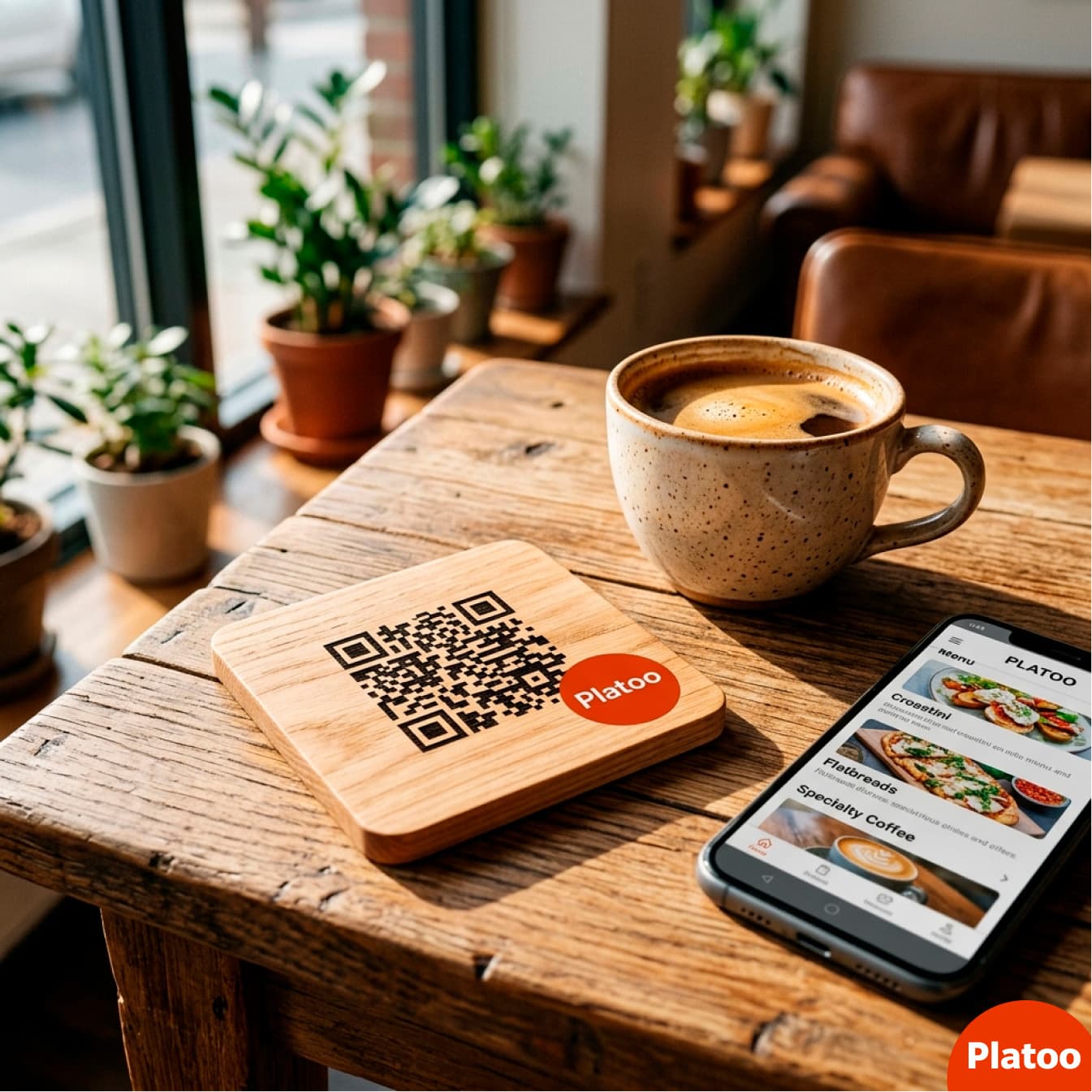
Coasters (Drink Coasters)
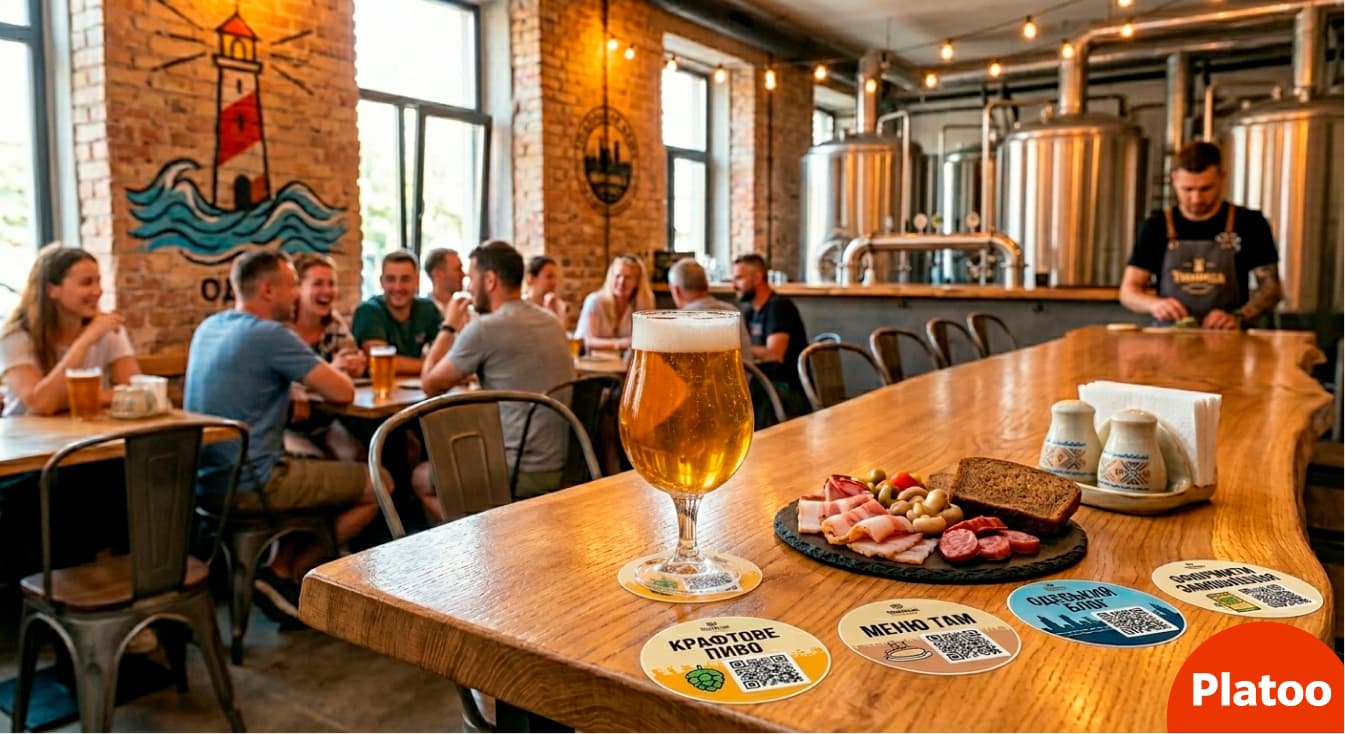
Ideal for bars and pubs. The guest is in constant contact with the coaster, making it the most 'clickable' physical medium.
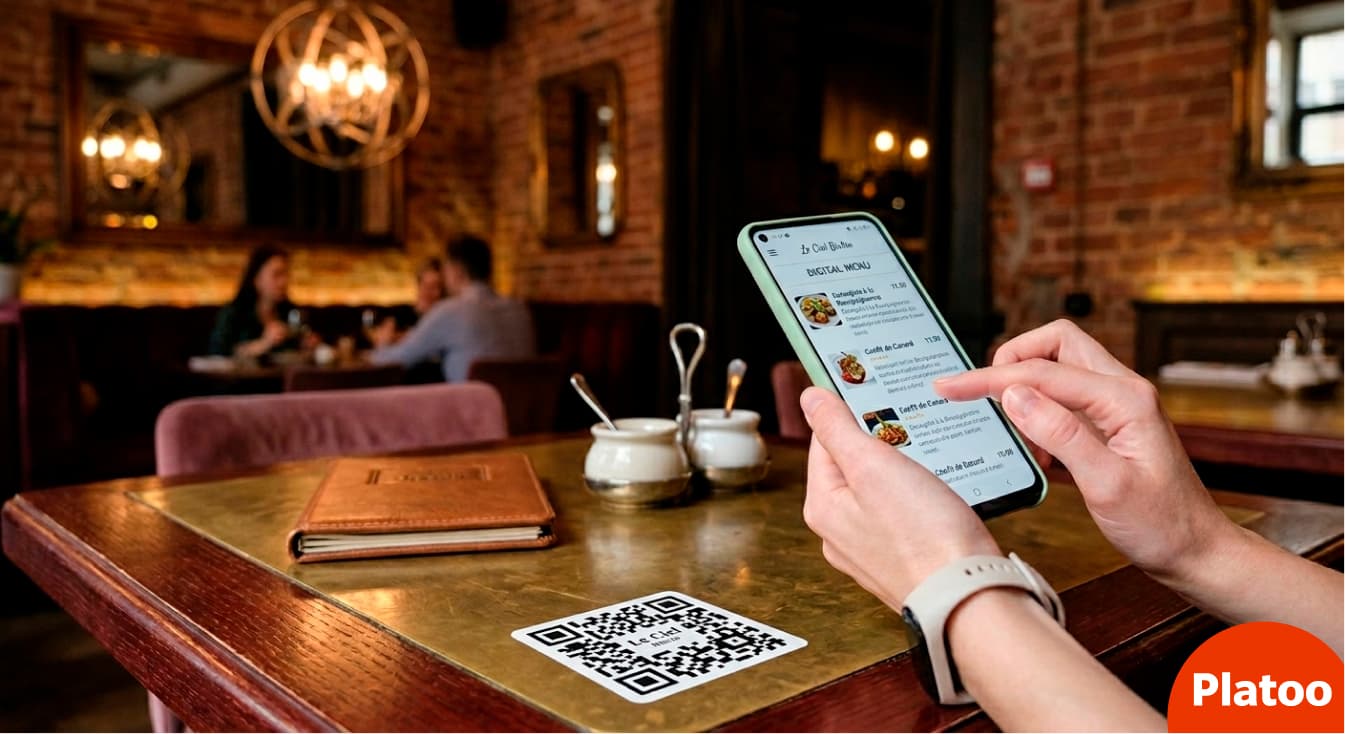
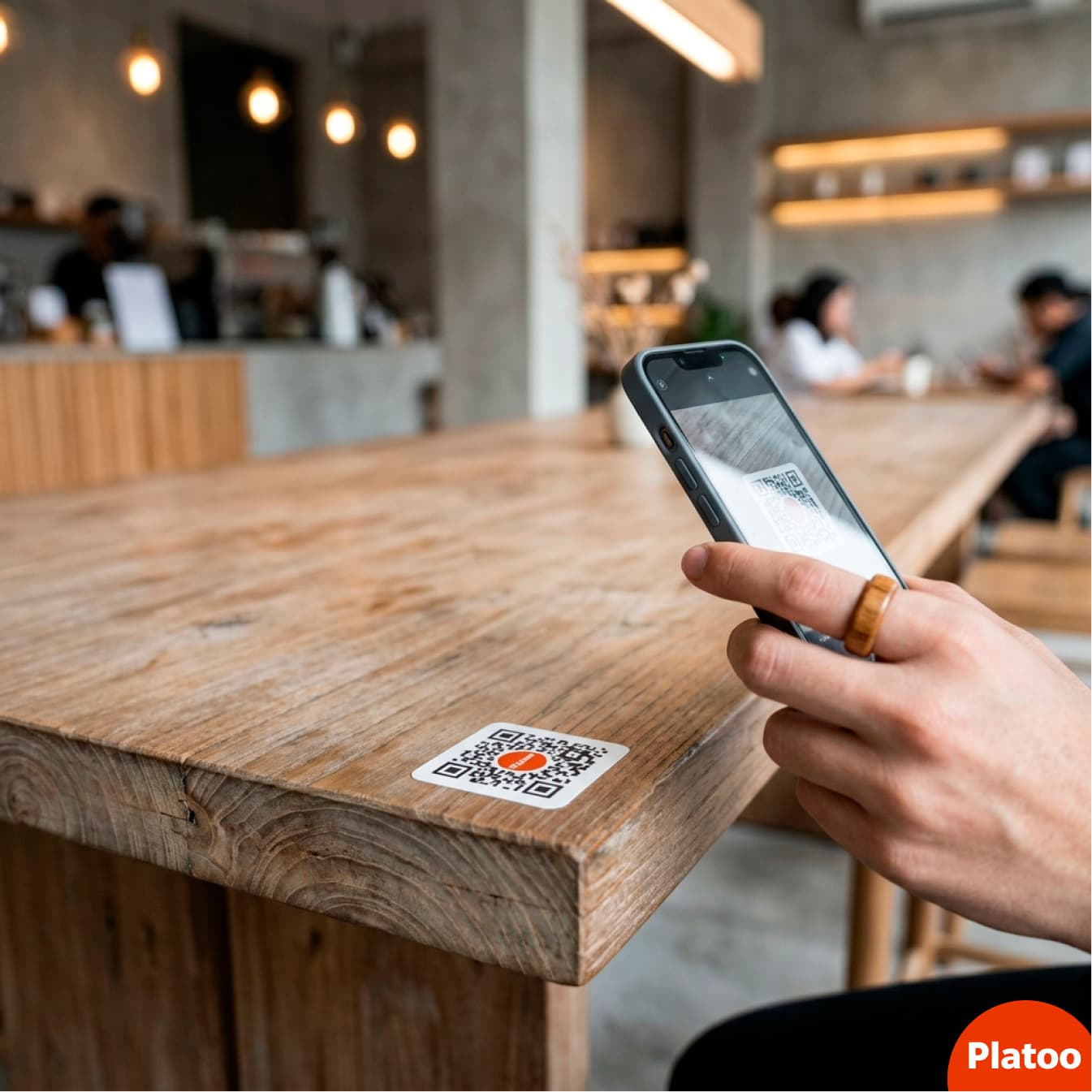
Table Edge Stickers
The best option for food courts and bar counters. It saves space for food while keeping the menu always 'at hand'.
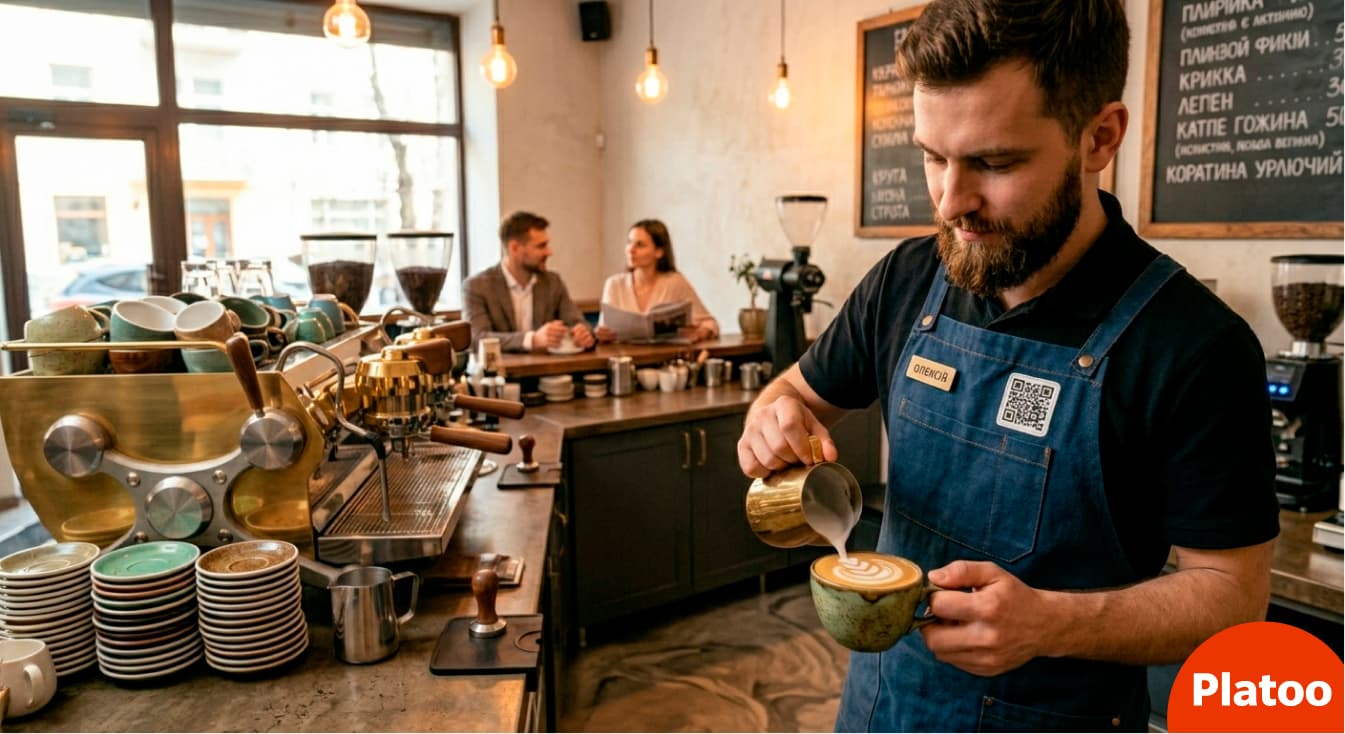
Staff Uniforms
Place a small QR code on the waiter's apron. This creates an interactive experience and allows guests to access the menu instantly by just calling the staff.
Entrance and Window Area (Traffic Attraction)
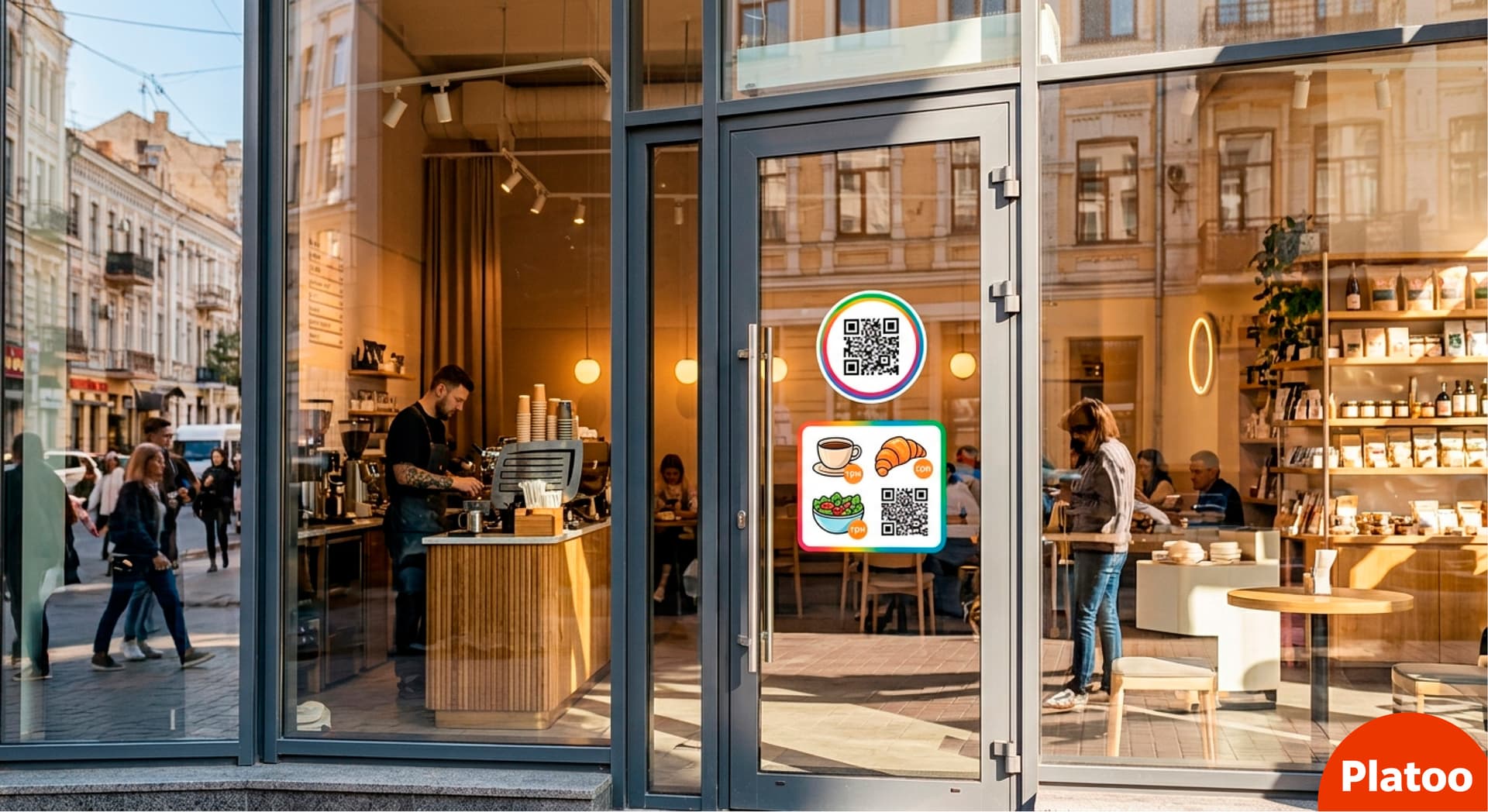
Windows and Glass Doors
Eye-level stickers help passersby browse prices and offerings even before they step inside.
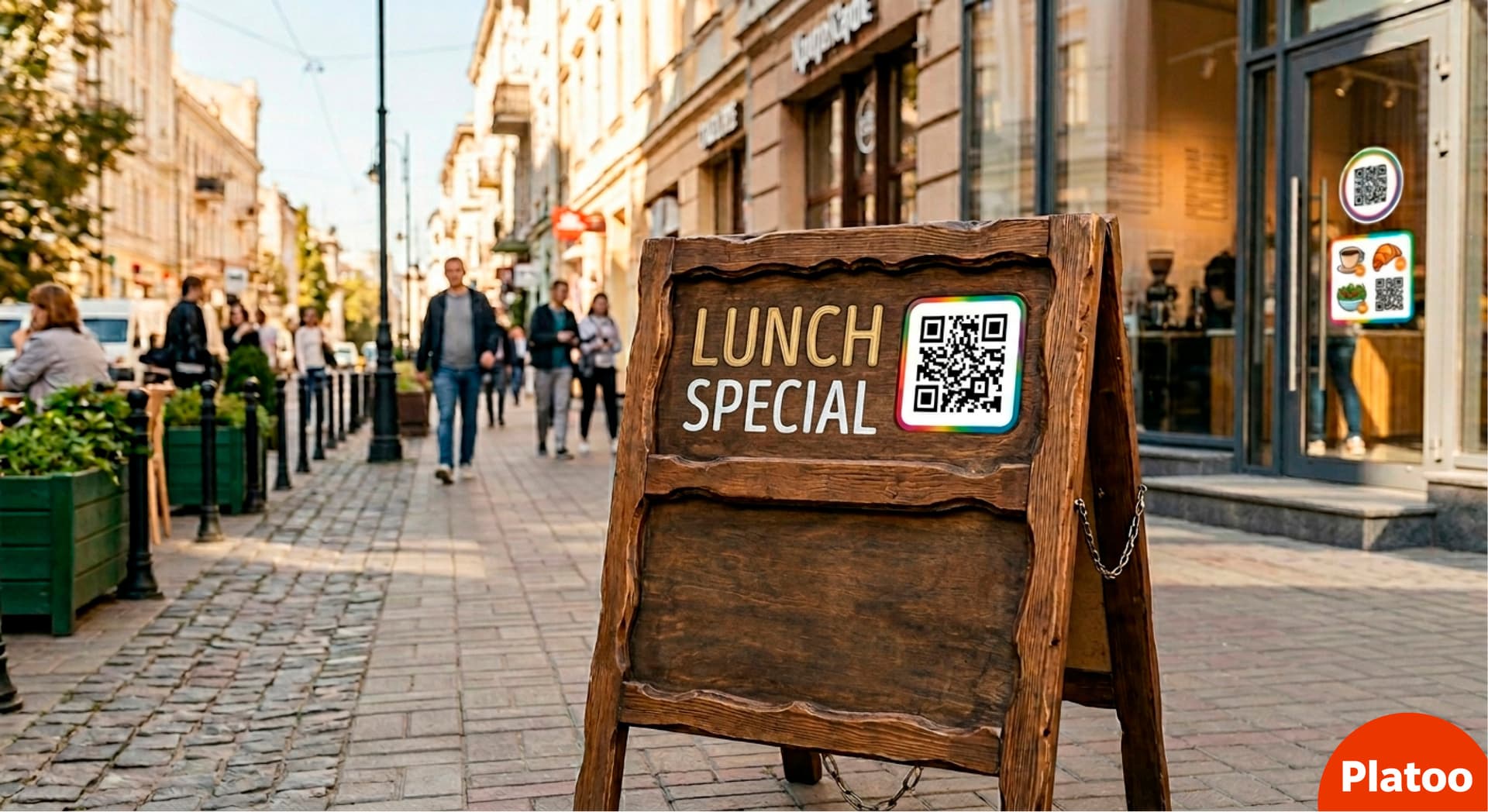
Sandwich Boards (A-Frame Signs)
Place the QR code next to the 'Lunch Special' text. This stimulates impulse visits from people on the street.
Cashier and Pickup Zone (for Food Courts and Fast Casual)
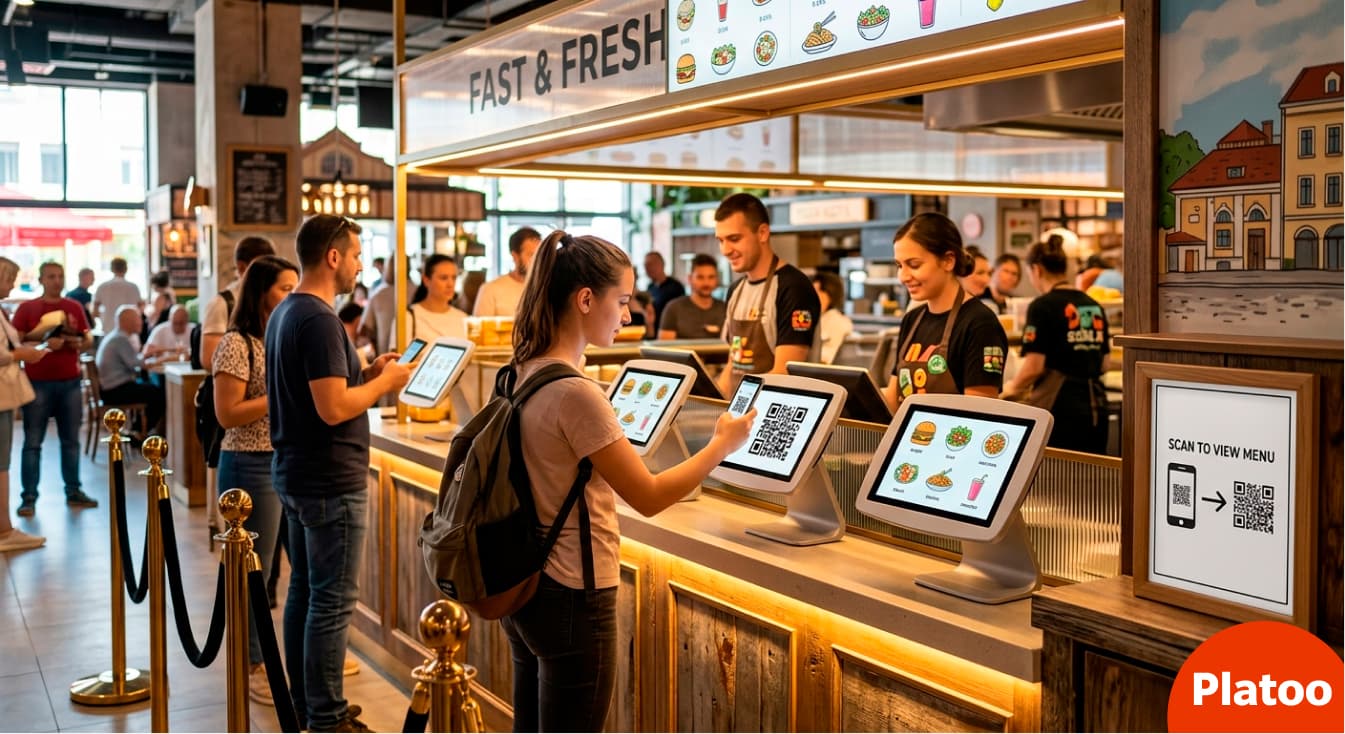
Cashier Displays
While guests wait in line, they can choose their dishes in advance. This significantly speeds up service and the cashier's workflow.
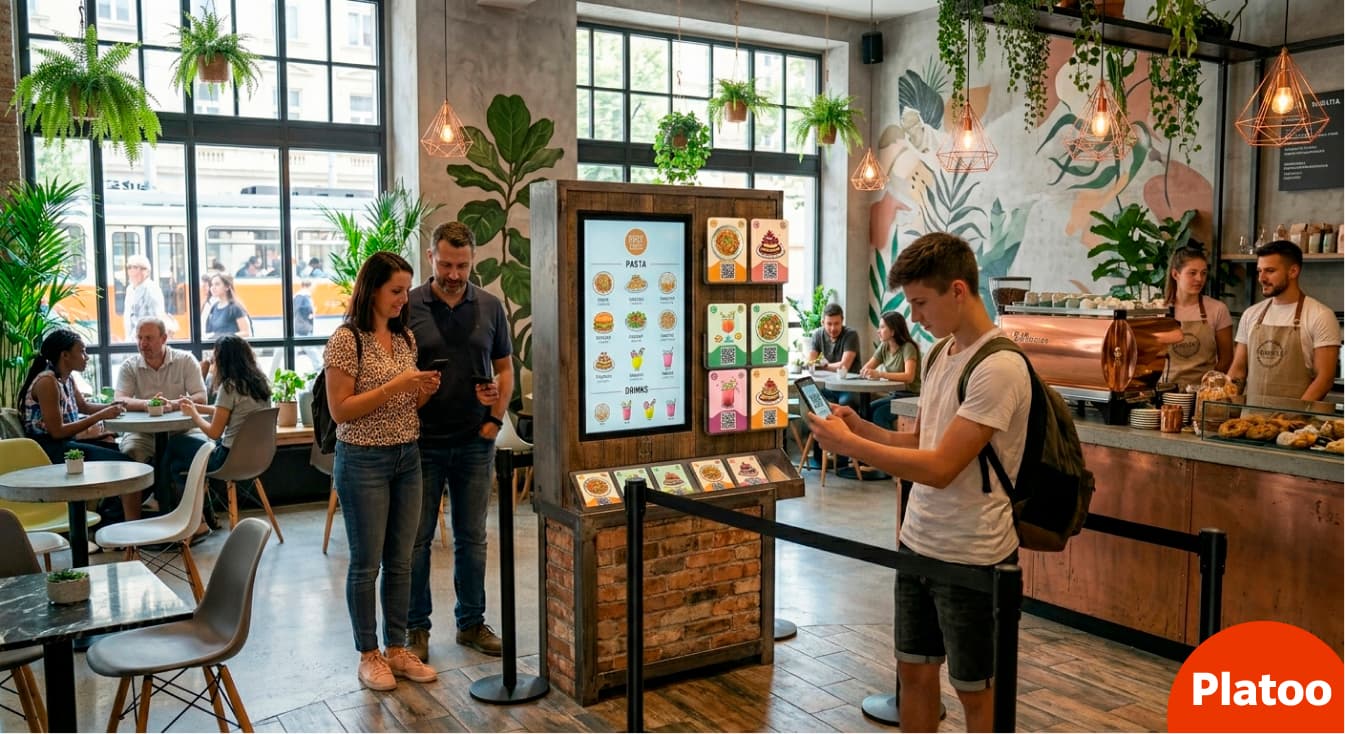
Waiting Areas
If your venue is full, give guests the chance to explore the menu or ingredients while they wait for a table.
Off-Premise Marketing and Packaging
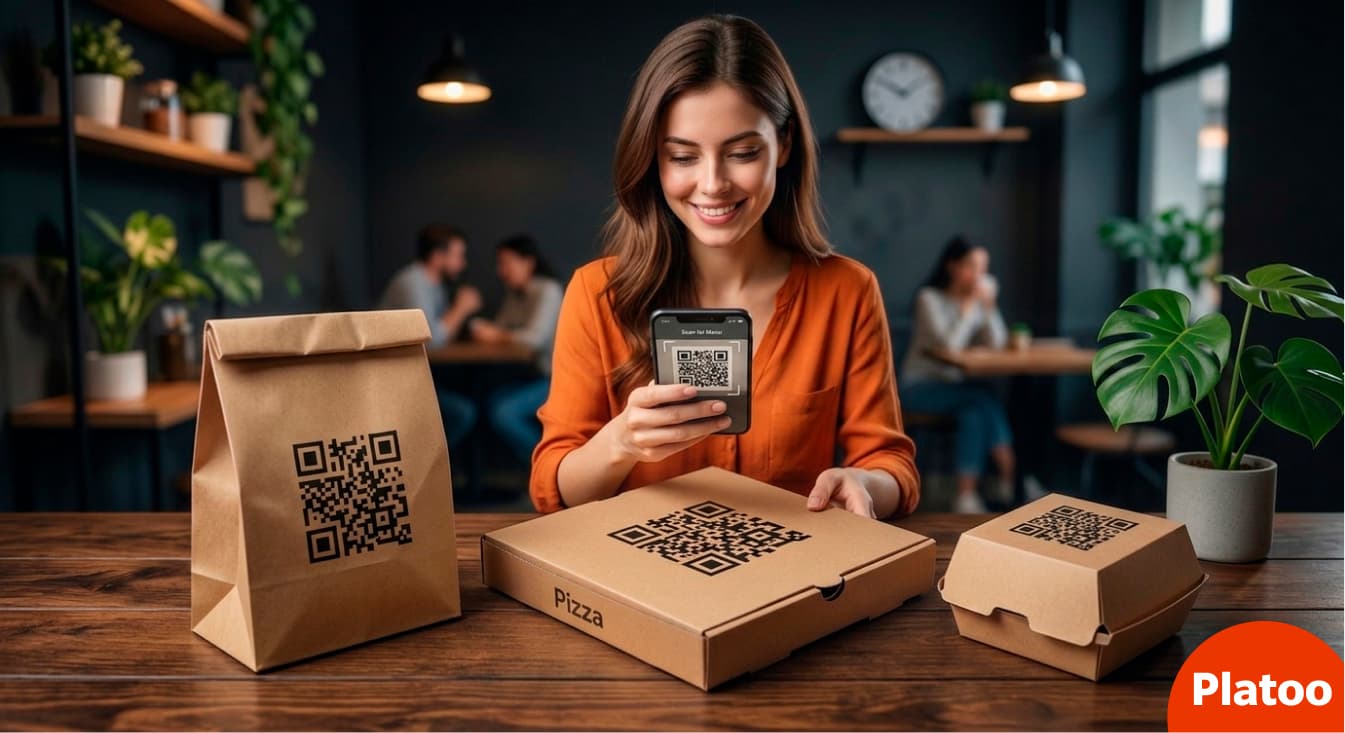
Takeaway Packaging
A sticker on the bag is a chance for a repeat order. Embed a coupon for the next visit or a social media link in the code.
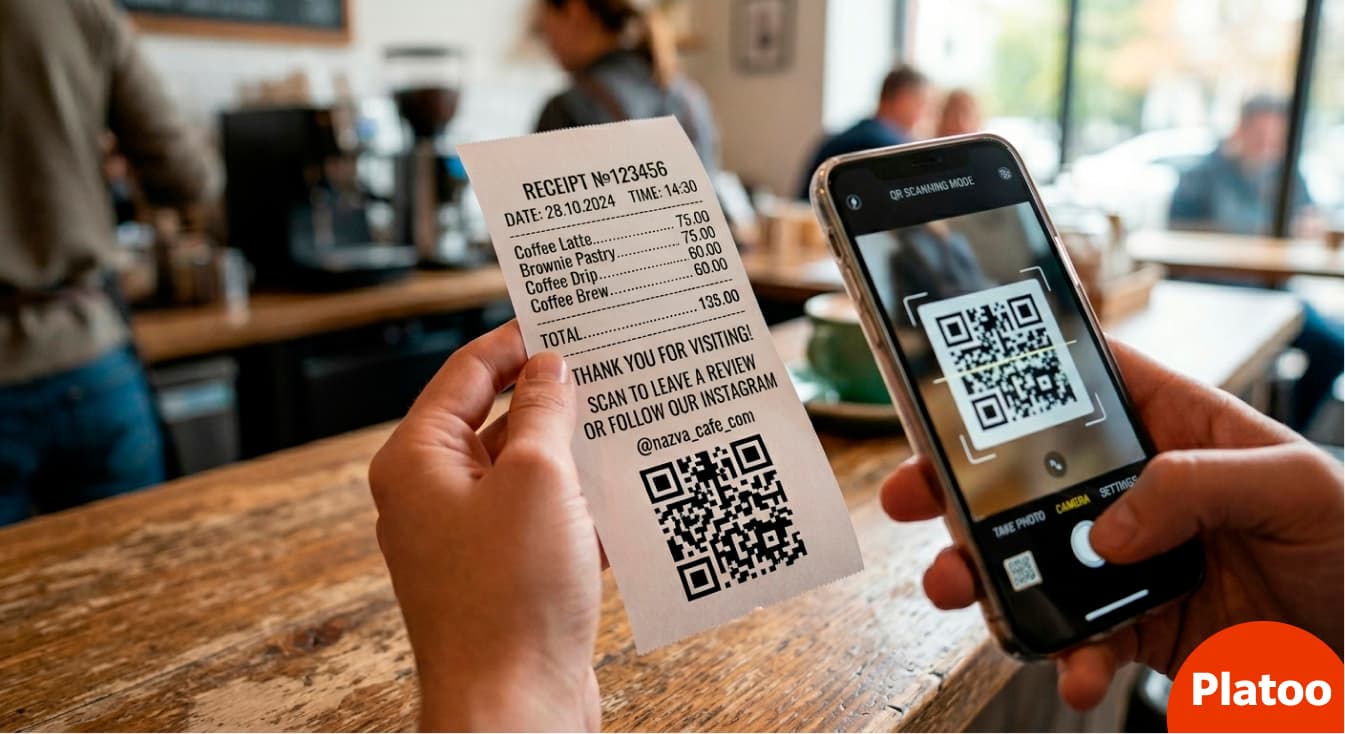
Receipts
Adding a QR code to the bottom of the receipt is a great way to collect feedback or suggest a digital tip for the waiter.
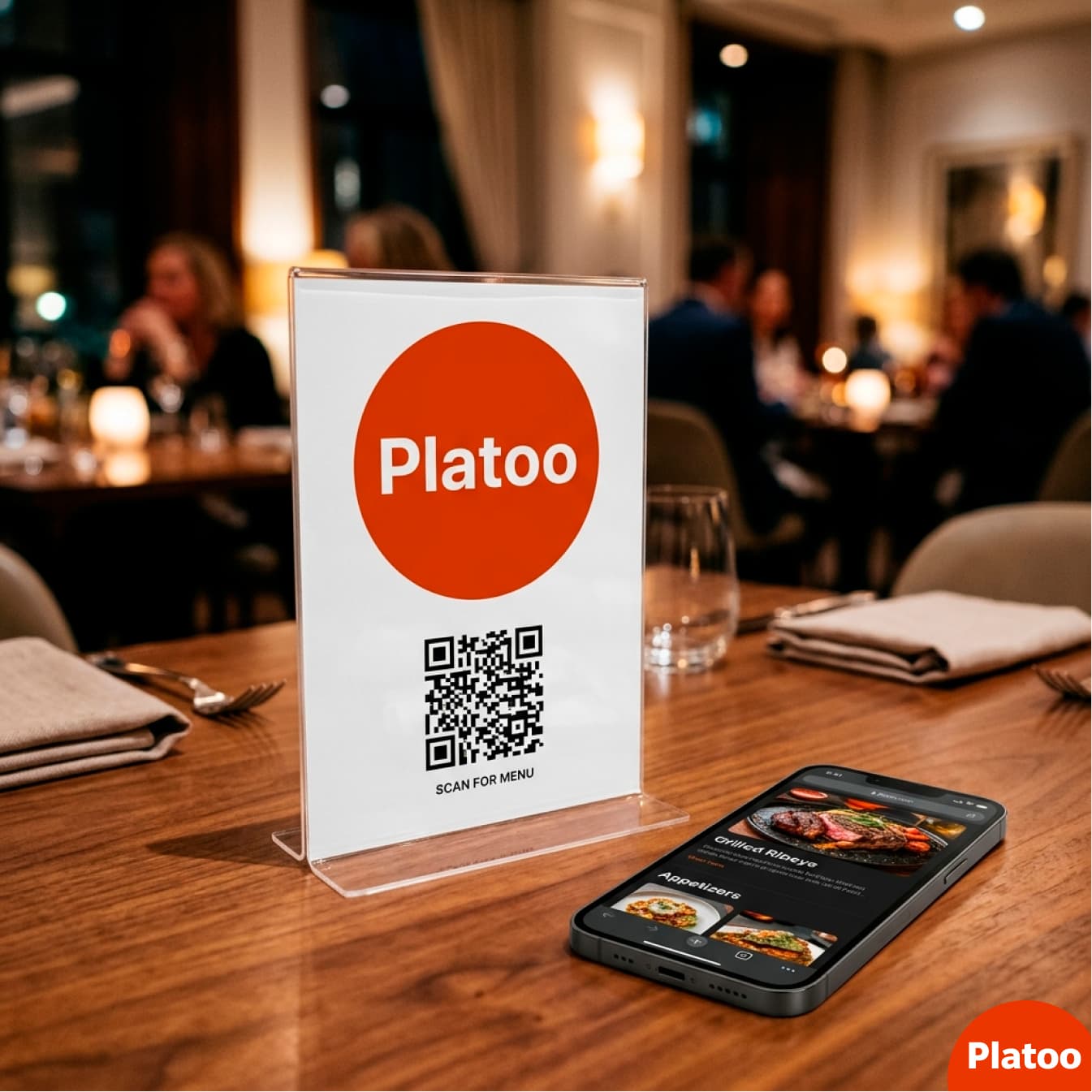
Table Tents and Menu Holders: Your 'Silent Waiter' in the Spotlight
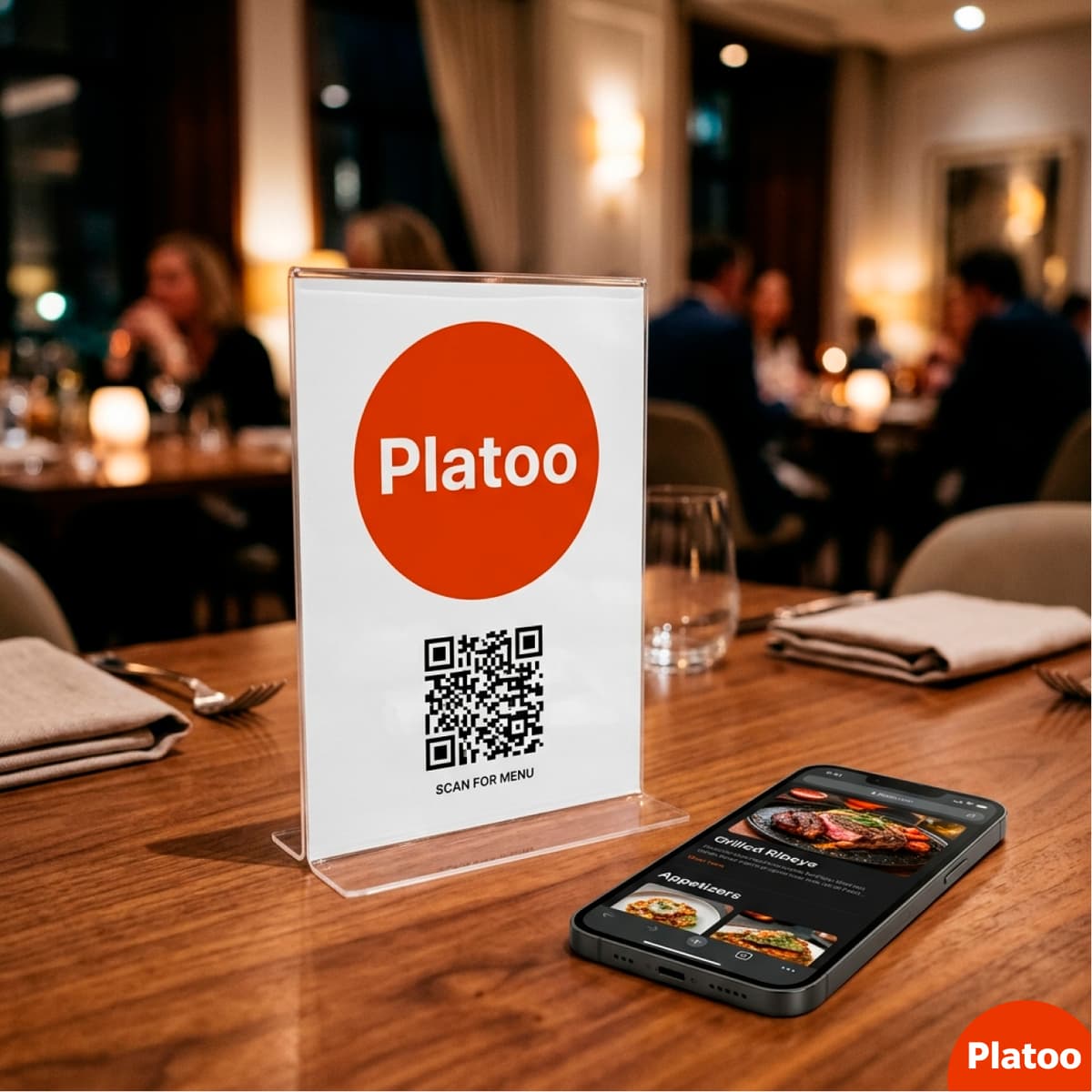
The table tent is a HoReCa classic that remains the most effective tool for QR code placement. It is always in the guest's line of sight, takes up minimal table space, and provides menu access in 2 seconds.
Why This is a Strategic Choice for Your Business:
- Maximum Visibility: the stand's design allows the QR code to be noticed from any angle as soon as the guest sits down.
- Dual Efficiency: use both sides of the holder. While one side points to the Platoo digital menu, the other actively sells seasonal promos, desserts, or chef's specials.
- Hygiene and Safety: guests can review ingredients and allergens on their own smartphone without touching physical media, which is crucial for modern service standards.
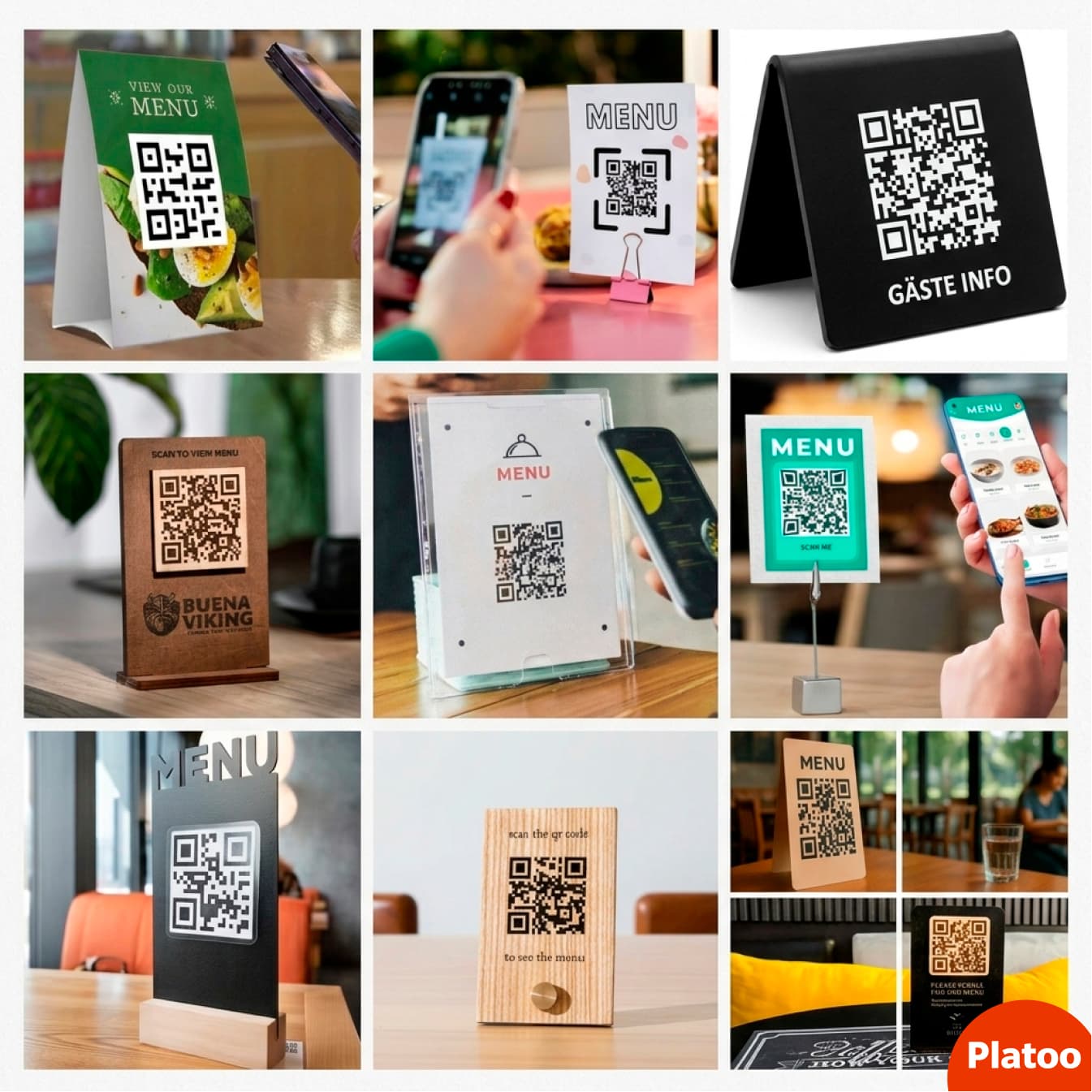
Material Selection Guide: Durability and Aesthetics of Your QR Menu
In HoReCa environments (restaurants, bars, cafes), physical QR code carriers face extreme conditions: constant contact with grease, moisture, high temperatures, and aggressive disinfectants. Paper-based media quickly lose their professional look, which negatively impacts brand trust (EEAT) and makes it harder for smartphones to scan the code. Explore this detailed review of the best materials for your Platoo digital ecosystem:1. Acrylic and Plexiglass: the most popular choice for table tents and menu holders.
- Advantages: high resistance to daily cleaning with alcohol-based sanitizers. Acrylic looks aesthetic in any interior — from classic to hi-tech.
- Durability Secret: use L-shaped or T-shaped holders with a protective layer to prevent the printed insert from fading in the sun.
- Pro Tip: choose transparent acrylic to avoid adding visual noise to the table.
2. Laser-Engraved Wood: warmth, reliability, and premium brand feel.
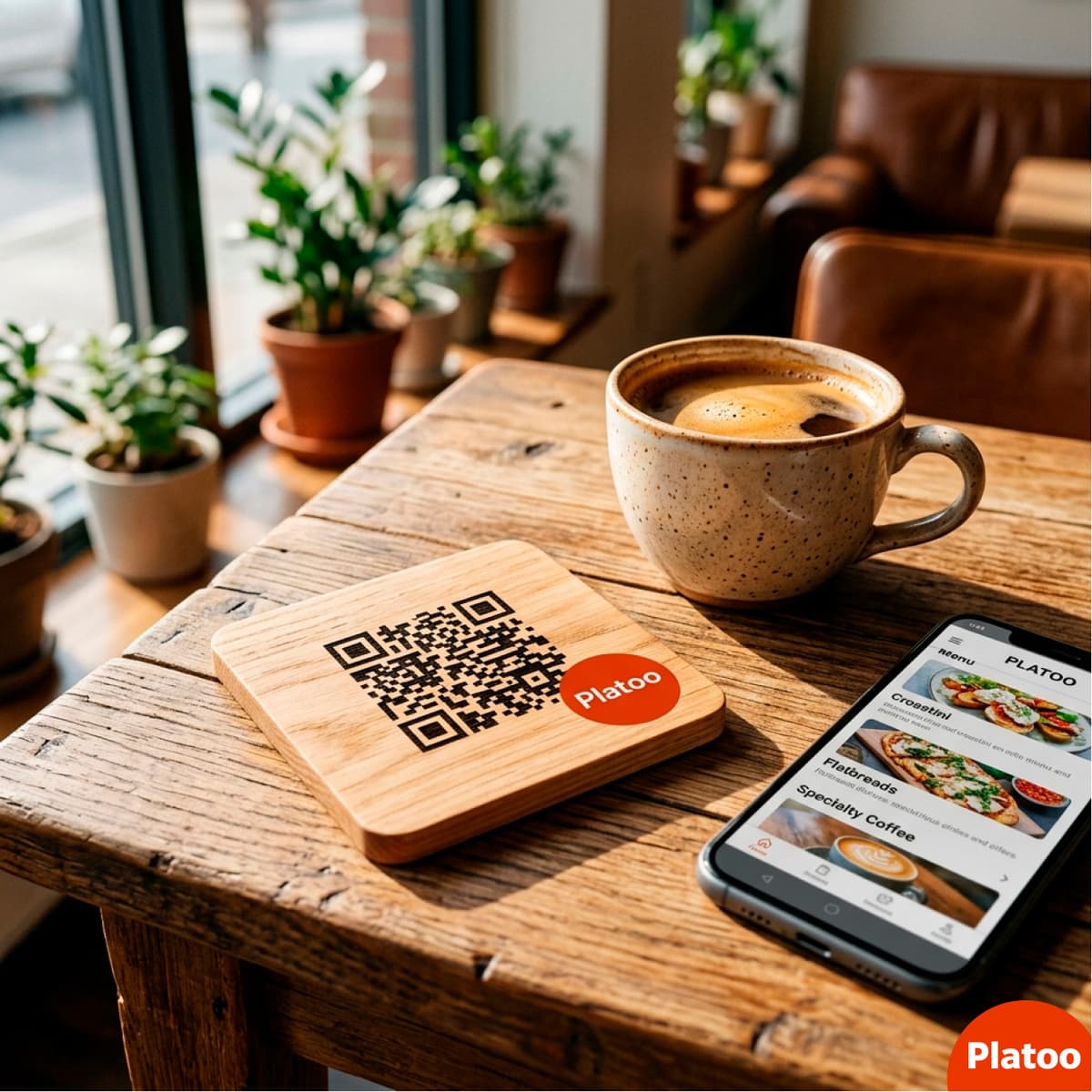
- Advantages: wooden blocks or coasters are almost impossible to damage. Laser engraving ensures the QR code won't wear off over years of use.
- Aesthetics: wood adds coziness and creates a positive tactile experience. Ideal for craft-style venues and eco-cafes.
- Pro Tip: ensure high contrast (dark code on light wood) for fast camera recognition.
3. Matte Laminated Vinyl Stickers: practicality and scan speed.
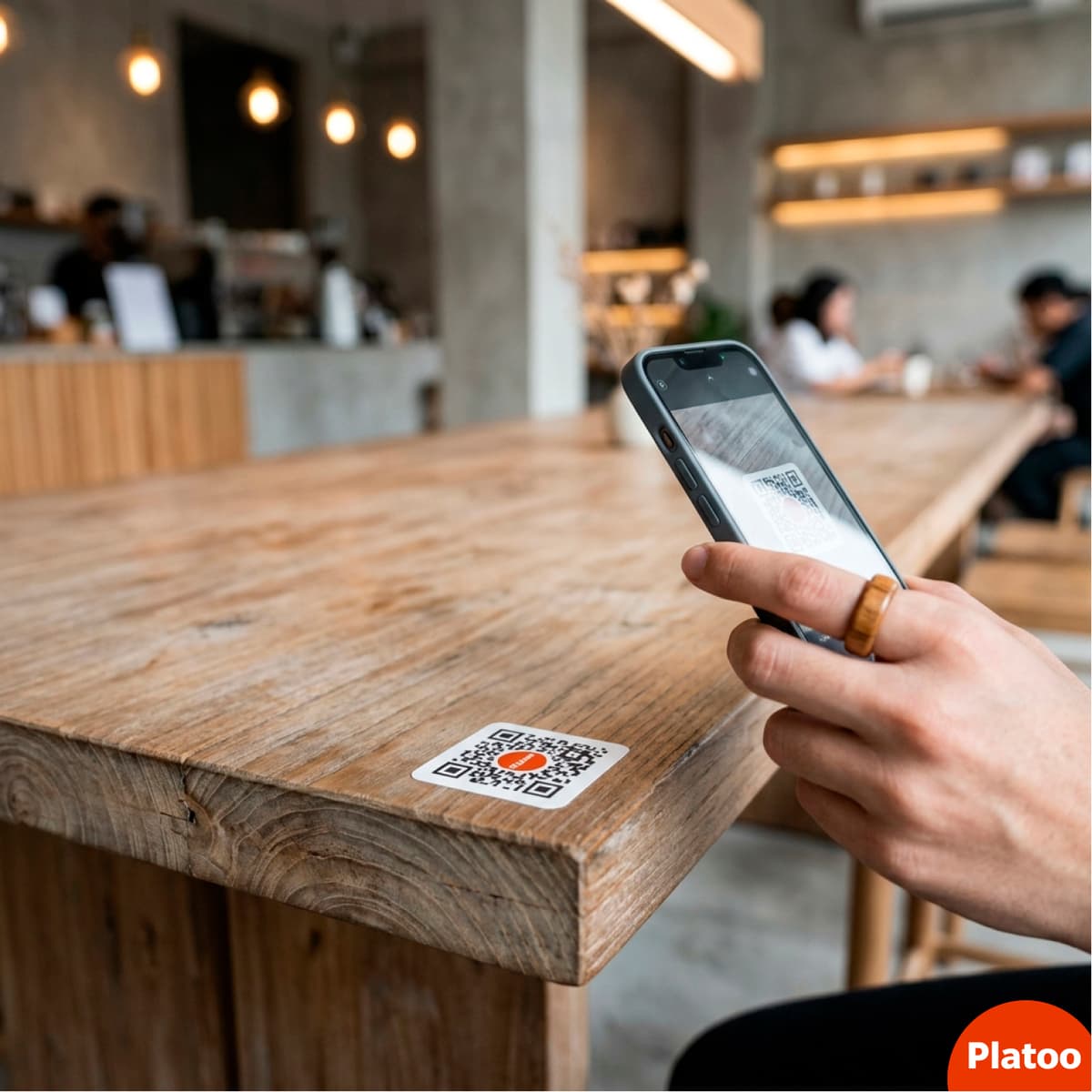
- Why Matte is Mandatory: glossy surfaces create glares that 'blind' the camera. A matte finish ensures scanning in 2 seconds even in low light.
- Protection: high-quality vinyl is resistant to grease, spilled coffee, and high temperatures (e.g., hot plates).
- Application: the best solution for table edges, bar counters, or windows in fast-casual spots.
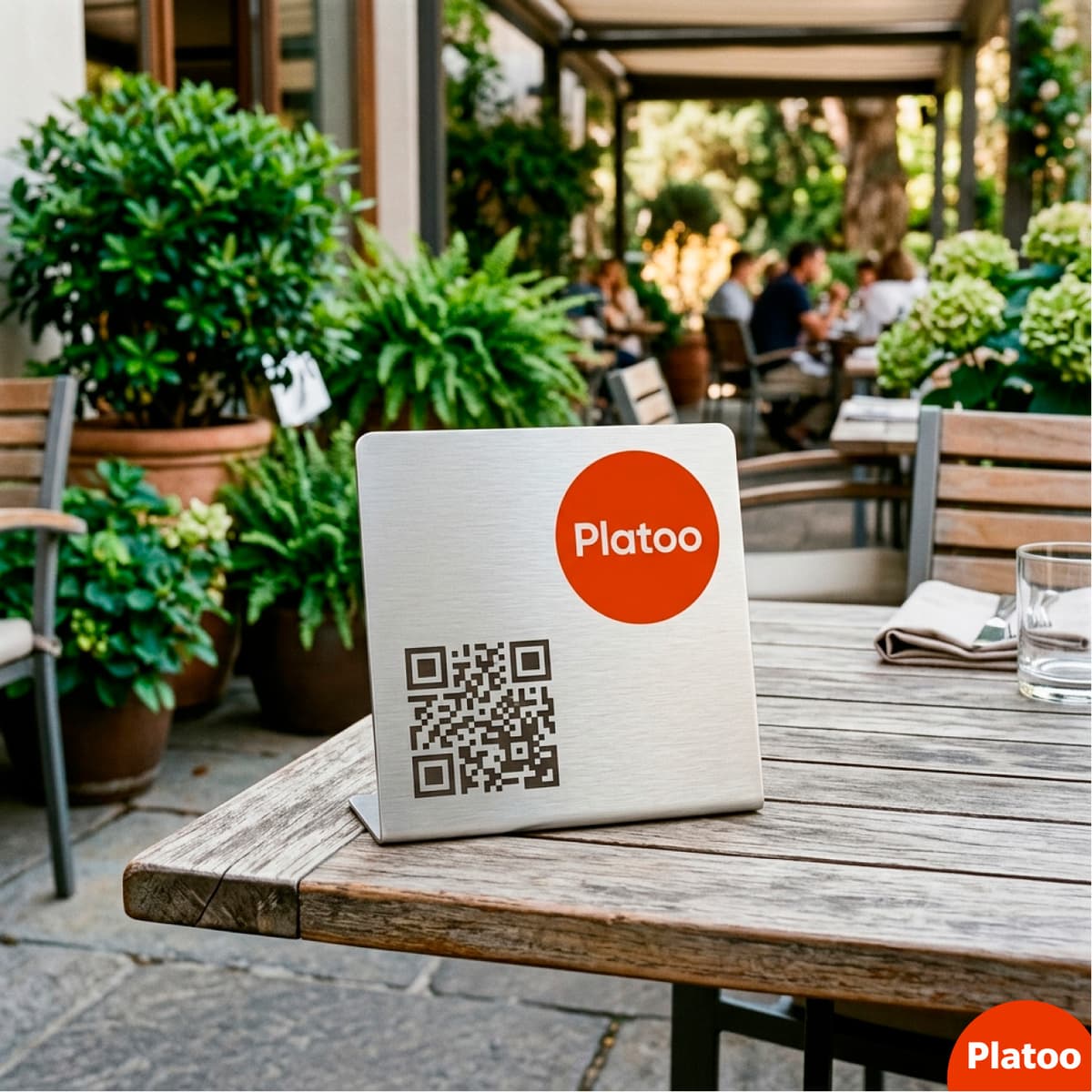
4. Metal and Anodized Aluminum: industrial style and weather resistance.
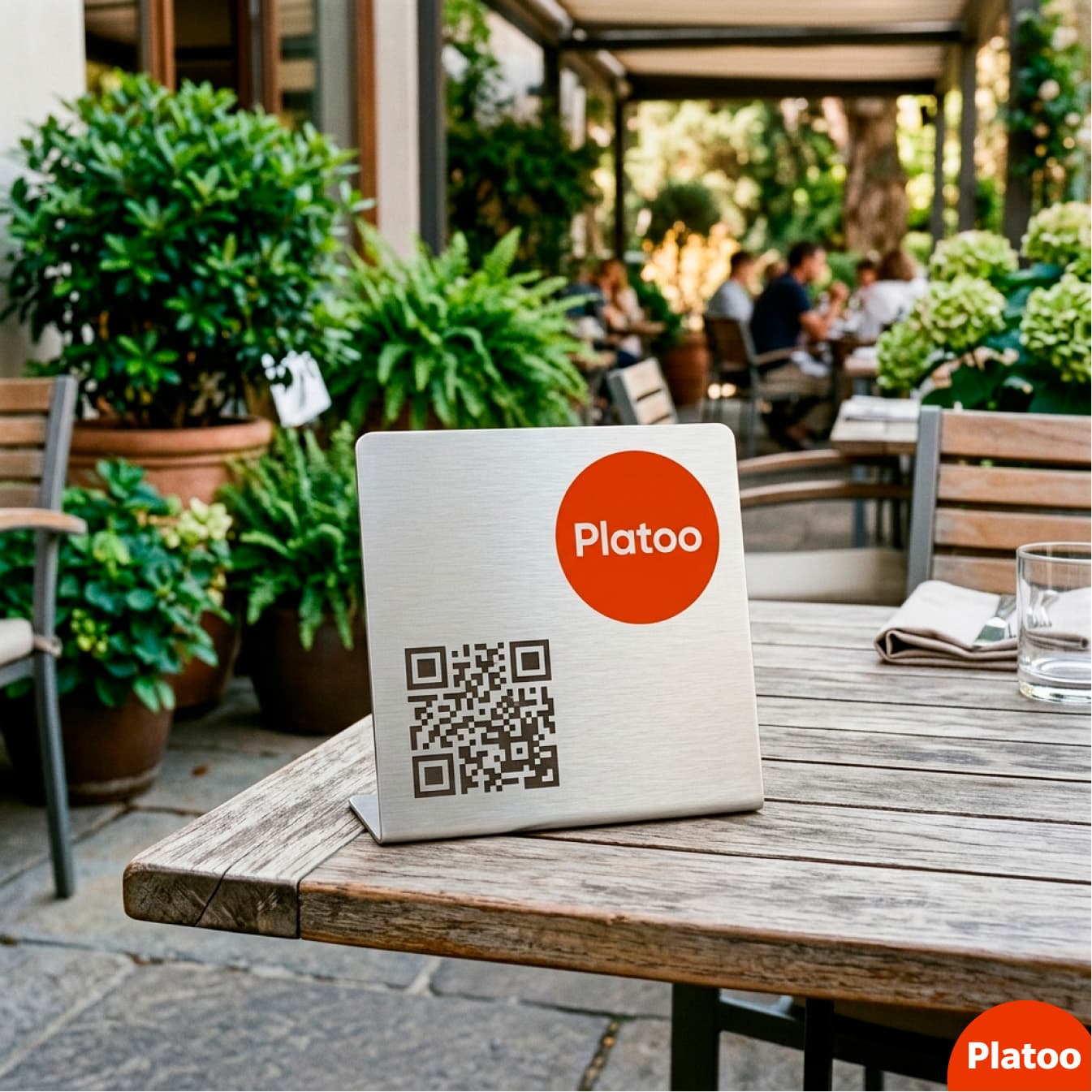
- Advantages: metal plates look professional and are resistant to any weather conditions (rain, snow, direct UV rays). Ideal for summer terraces and premium restaurants.
- Mounting: these carriers are often fixed with mounting putty (adhesive gum), allowing them to be securely attached without damaging furniture surfaces.
- Pro Tip: use anodized metal to prevent corrosion and keep the QR code lines sharp forever.